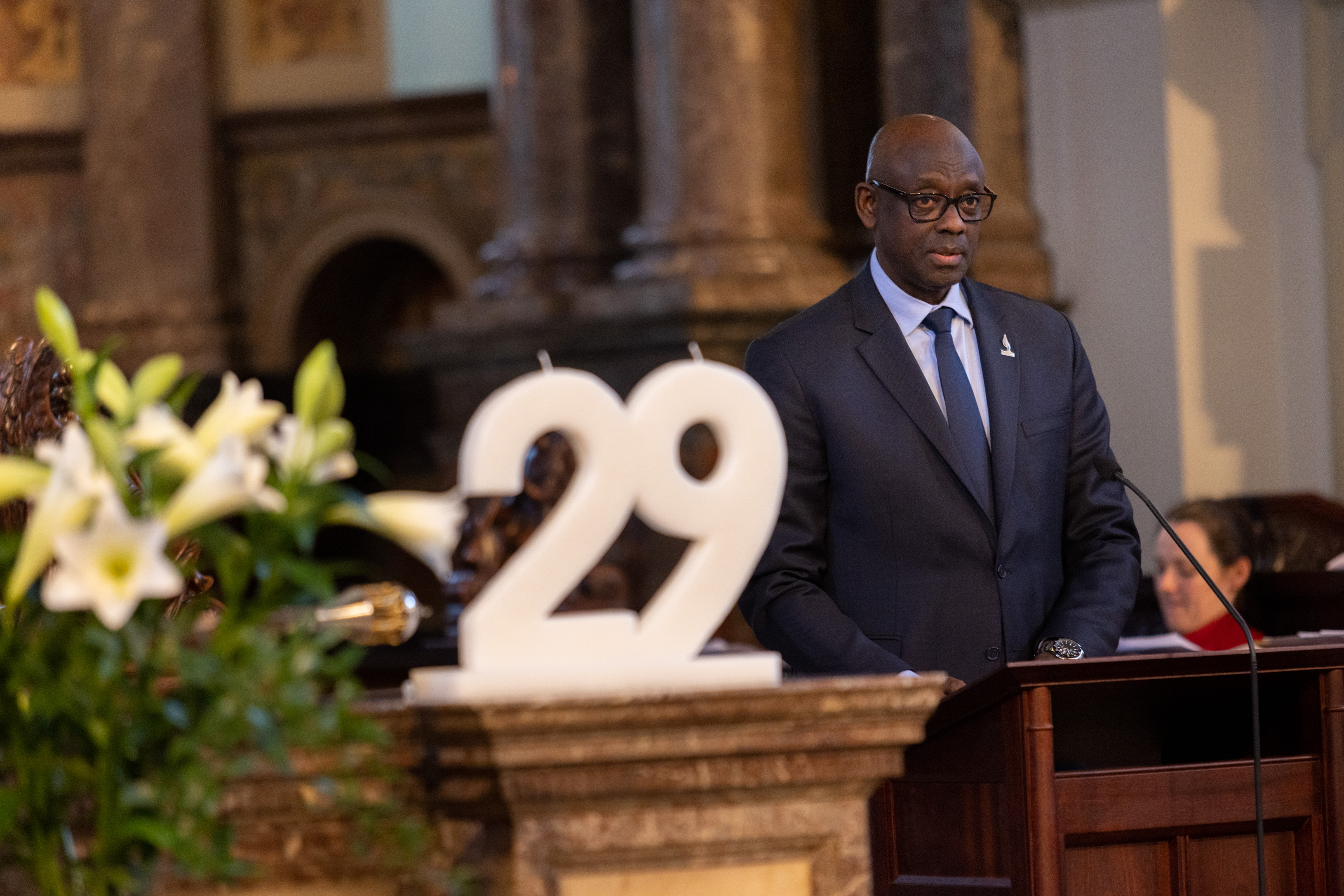
Letter by High Commissioner Johnston Busingye on recent media coverage on Eastern Democratic Republic of Congo
Beyond the sensationalism and voyeurism in two recent media articles in the UK press, readers are left with little understanding of the ongoing crisis in the Democratic Republic of Congo. The dynamics of the conflict are complex and go far beyond M23. The long-standing situation in DRC cannot be blamed on Rwanda.
The Congolese state has failed to establish military and administrative sovereignty over its own territory. As a result, over 130 illegal armed groups thrive in Eastern DRC, including the FDLR militia that carried out the 1994 Genocide in Rwanda. It is well documented that the national army of the DRC have made heinous pacts to support and collaborate with FDLR. This situation has created a tragic humanitarian crisis, which also constitutes a direct threat to Rwanda’s security, that we take very seriously.
As such, Rwanda is committed to the ongoing peace efforts through various regional and diplomatic initiatives,
even as politicians in DRC appear bent on perpetuating the crisis as a way of influencing the upcoming December presidential elections.
The UN Special Advisor on the Prevention of Genocide has raised the alarm twice already on the escalation of hate speech and incitement to violence nationwide in the DRC against Congolese Tutsi and Rwandophones. Articles such as this emanate from that very ideology, that Rwanda and those perceived as Rwandans are to blame for the internal issues of the DRC.
Coverage of African conflicts deserves more nuanced and balanced analysis, not simplistic narratives which sensationalise tragedies and serve as foil for domestic British politics.
Johnston Busingye
High Commissioner

Rwandan High Commission Responds to Summon by the FCDO
ECONOMIC DIPLOMACY REVIEW 2024
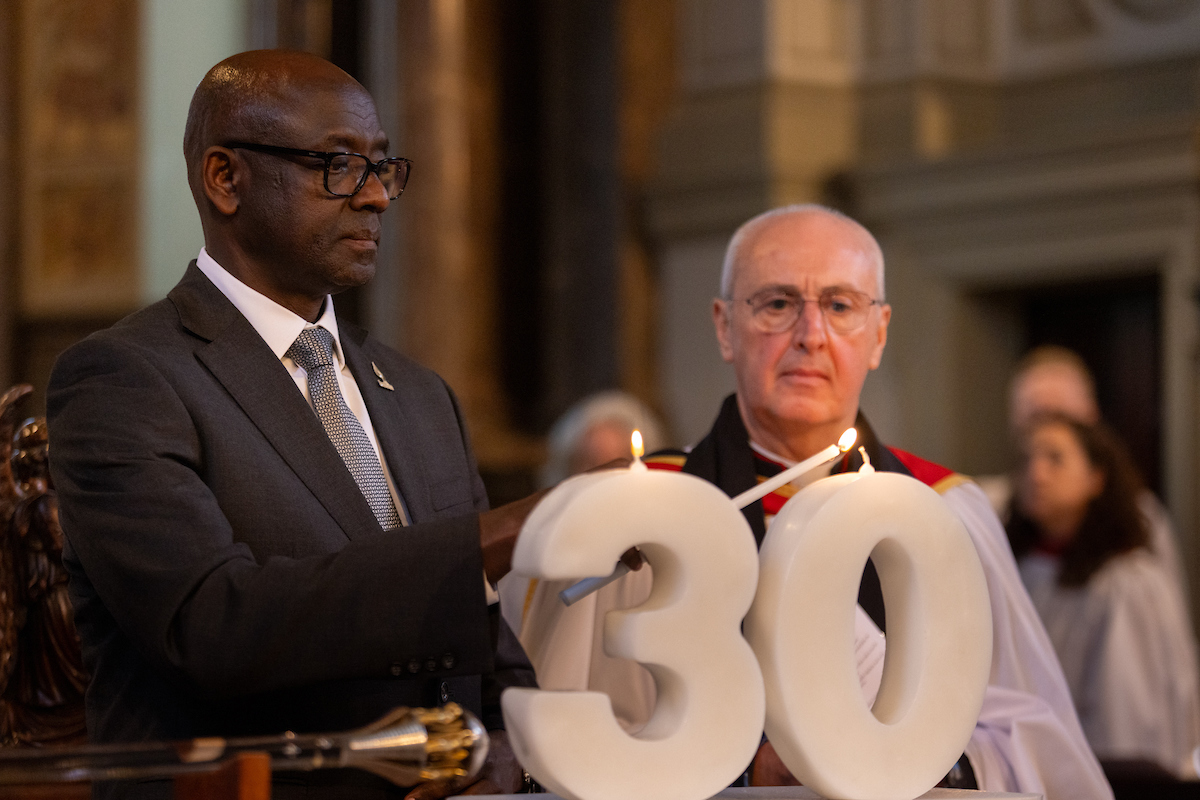
Kwibuka30: Busingye urges UK to give justice to Genocide survivors

Reflecting on the success of the UK-Rwanda business forum
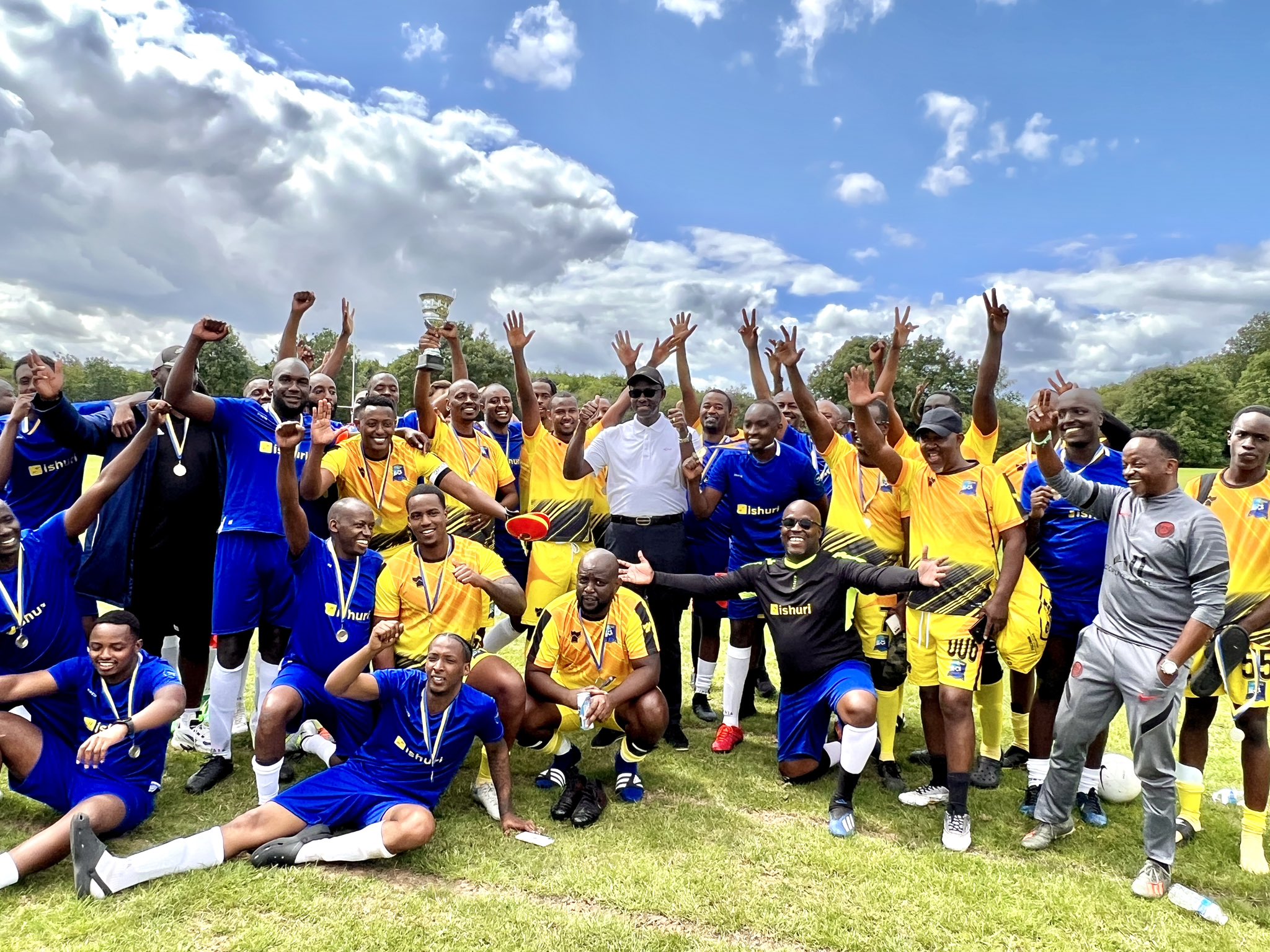
Rwandans in UK celebrate Kwibohora29 and launch the annual Liberation Football Cup

ARTICLE: Sending migrants to Rwanda will save lives