ARTICLE: From Rwandan crop to English cup, the journey of Rwandan tea
From Rwandan Crop to English Cup, the Journey of Rwandan Tea
By High Commissioner for Rwanda to the UK Johnston Busingye
Rwanda’s diplomatic missions prioritize economic diplomacy and promote the country’s products and boundless investment opportunities. Fortunately, Rwanda is blessed with some of the world’s finest fresh produce from tea leaves to avocados, which creates an enthusiastic network of buyers and consumers around the world.
Recently, the High Commission team and I visited some of the UK’s most prestigious and popular importers and retailers of Rwandan tea to learn firsthand what goes on there and seek their feedback. As many of you know, tea, in particular black tea with a dash of milk is a national obsession in the United Kingdom.
At Fortnum and Mason, one of London’s oldest department stores (founded in 1707), the Rwanda Orange Pekoe loose leaf tea is consistently popular due its bright gold colour, and its rich and refreshing flavour. Rwandan tea stands proudly next to some of the world’s finest and is bought as a single origin product or blended with other teas based on the taste and whims of Fortnum’s longstanding and high-end clientele. We learnt that some of their clients come back for the same tea over 10, 20 or 30 years.
We later visited Taylors of Harrogate. Taylors is over sixty years old, and today imports over 4 million kilos of Rwandan tea, and their brand ‘Yorkshire Tea’ is, at the latest count, the UK’s number one brand of black tea. Next to no tea is grown in the UK, so any tea dealer must import. We were delighted to discover that it is a heavy dose of Rwandan tea which gives their famous Yorkshire Gold blend its distinctive gold colour.
On its journey from crop to cup their tea departs Rwanda, first by land to the coast, then by ship to the UK. At their packaging facility we witnessed Artificial Intelligence powered robots maneuver the sacks of tea, then through careful measuring and blending their teas are ready to go into bags and be distributed to practically every UK supermarket and convenience store. I should also note that it is not just tea passing through their doors but Rwanda’s arabica coffee beans as well.
In most cases, tea consumers aren’t necessarily aware where their tea comes from, but from the high-end to the everyday essentials Rwandan tea is endemic in the UK.
After the visit I spoke to a well-known exporter of tea from Rwanda who was pleased with the volume of business being done with UK clients, but he added there is continuing negotiations on prices.
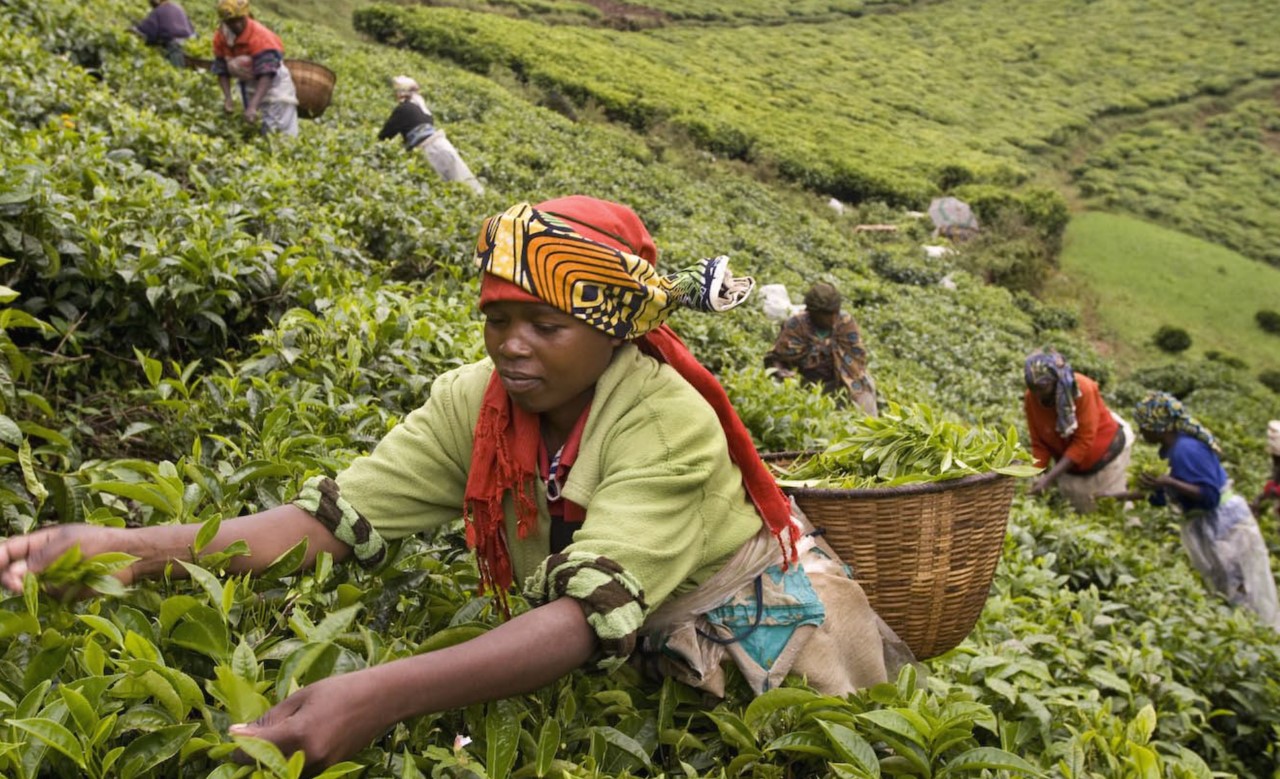
I thought it important for the pickers and farmers of Rwandan tea to know how loved their produce is the world over, to celebrate their reputation for quality, flavour and appearance, and to understand the ubiquity of East African teas and their value.
The market, the salesmen and the middlemen need to appreciate that sustained supply is dependent upon many factors, first and foremost - a fair deal. The history of tea in East Africa dates back to colonial times. Of course, the industry has evolved dramatically since then, but it must continue to do so. Value addition and better rewards for farmers must be the heart of this evolution.
Rwanda is among the trailblazers of the AfCFTA, a potential market of over 1.2 billion consumers and 3 trillion dollars which, when fully operational will become the world’s largest Free Trade Area. In October 2022 the first goods were traded through a pilot scheme, they included value-added tea and coffee, some packaged in Rwanda then sold to African markets, with every step of the value chain kept firmly within Africa.
Clearly the West presents a vast and stable market of committed tea drinkers, and there are avenues for value addition and giving back to society. Take Yorkshire Tea for example who sponsored the construction of the Gahanga Cricket stadium and recently held a tournament to celebrate their cricket training programme and, crucially, they focus on every worker receiving a living wage and every farmer a living income, across their suppliers from the likes of Gisovu to Gatara, and Mulindi to Shagasha.
The future:
Africa wide, the colonial tea industry of old will have to evolve; any of the old guard hanging on to the model of buying product for cheap and having a minimal footprint in the country of origin will have to transition into fairer and attractive business models.
Africans today are awake to the value of their produce, and if there is better value in other areas of production, quite logically production will turn there. Markets for agricultural produce abound, from Asia, the USA and Europe, and in the near future, the markets of an increasingly inter-connected Africa.
Keeping the next generation in agriculture is a much wider debate but transformation is imperative. Rwanda is determined to provide opportunity and choices for the next generation, through decent education, a growing economy and agricultural innovation.
To choose to remain in tea production, going forward, will invariably depend on fairer rewards. The vendors, the aggregators and distributors, and the drinkers all have a vested interest, and they must deliver to ensure that the legacy of Rwanda’s tea continues, and its distinctive flavour continues to enchant the world.

Rwandan High Commission Responds to Summon by the FCDO
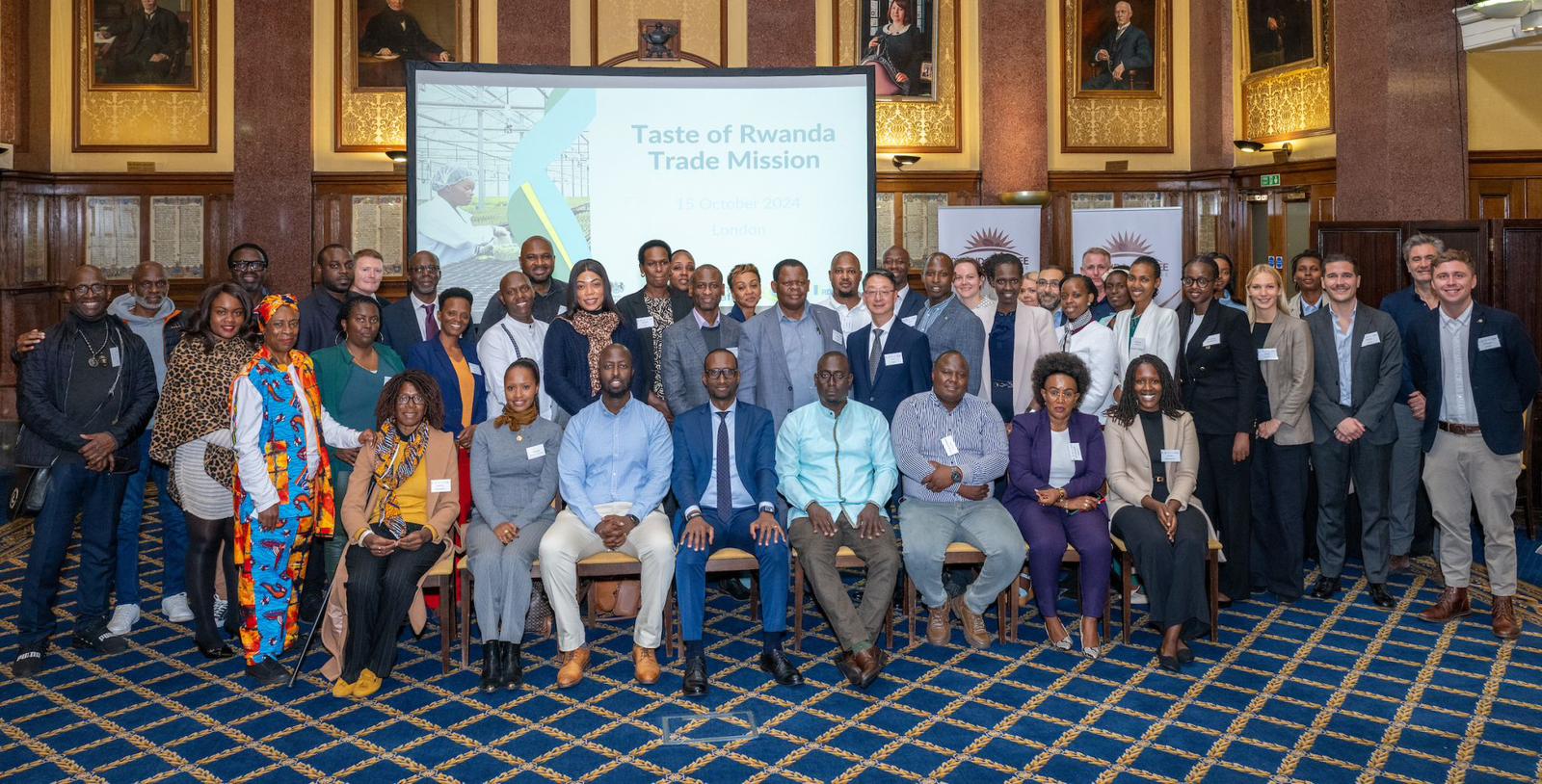
ECONOMIC DIPLOMACY REVIEW 2024
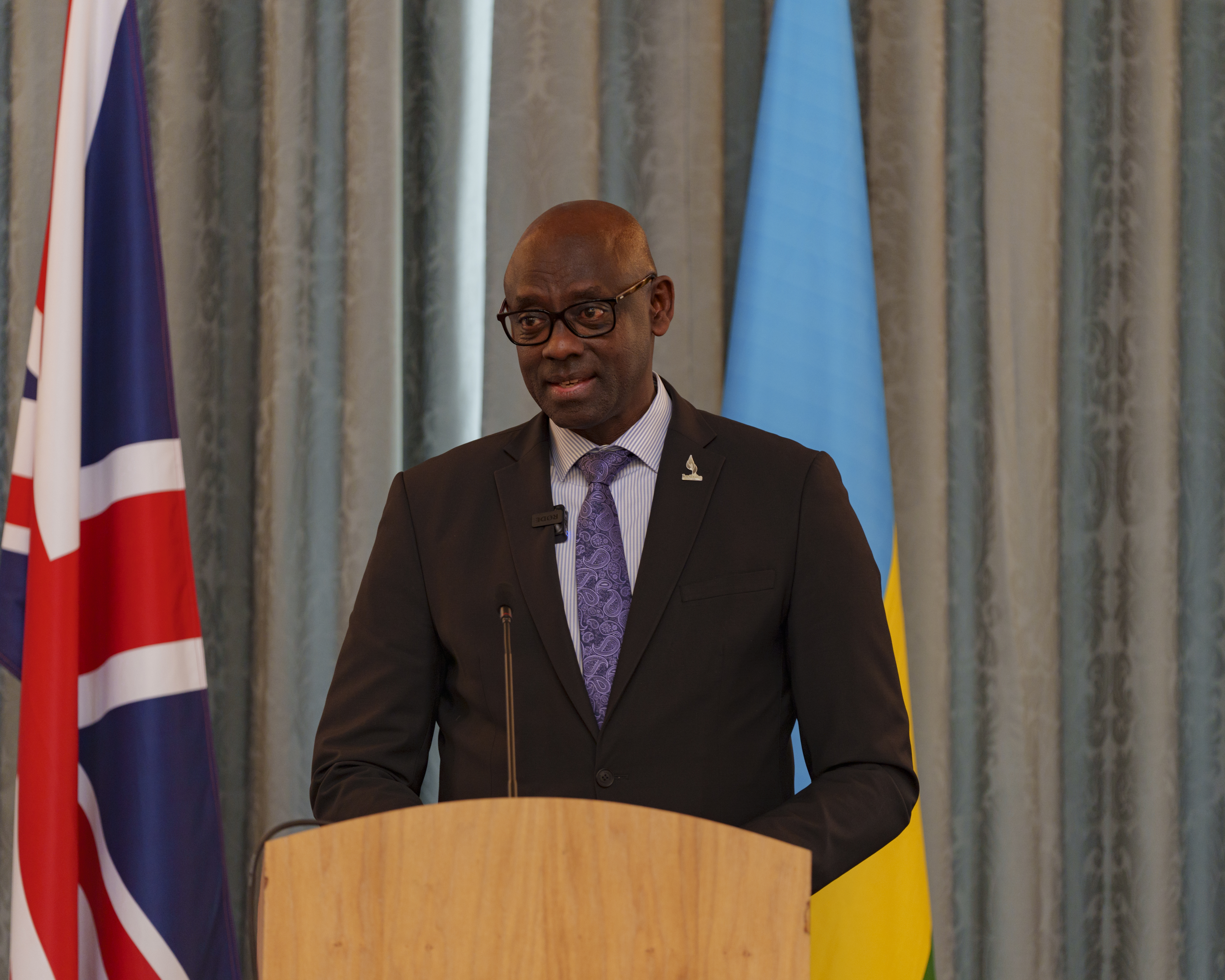
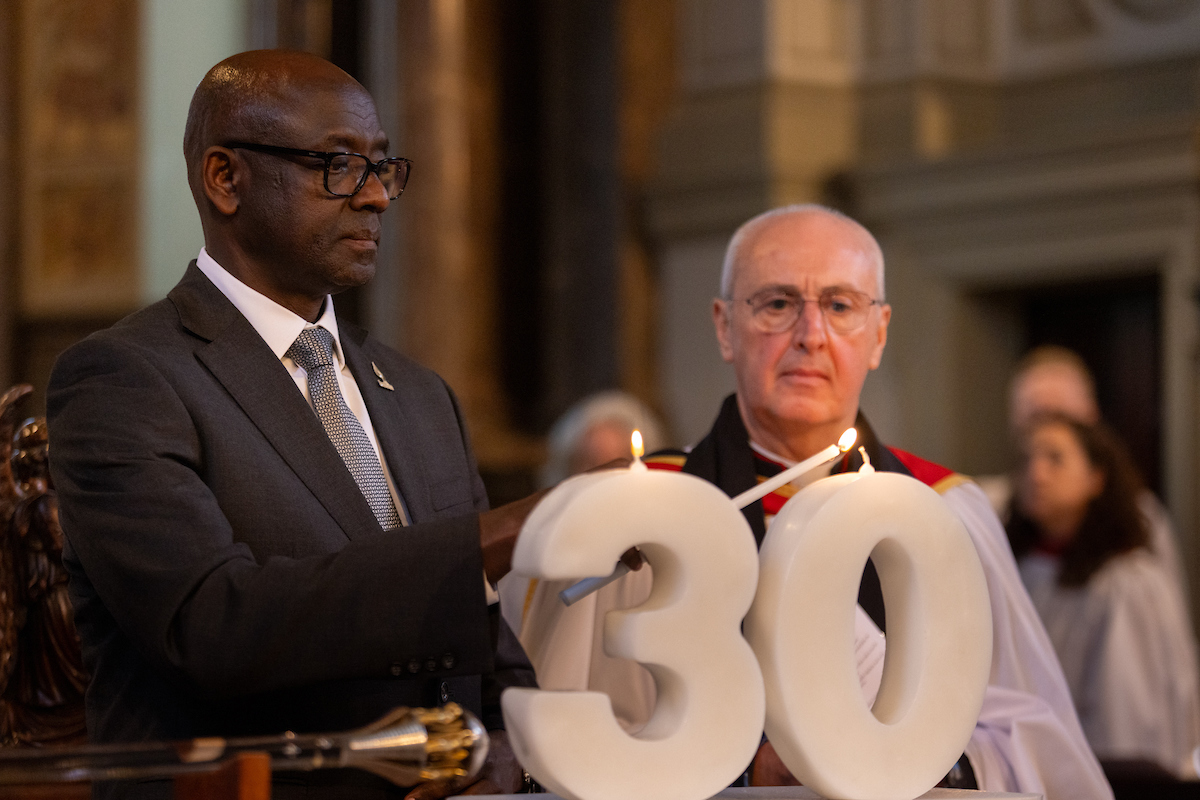
Kwibuka30: Busingye urges UK to give justice to Genocide survivors

Reflecting on the success of the UK-Rwanda business forum

Rwandans in UK celebrate Kwibohora29 and launch the annual Liberation Football Cup

ARTICLE: Sending migrants to Rwanda will save lives